
Why I became a Corrective Exercise Specialist
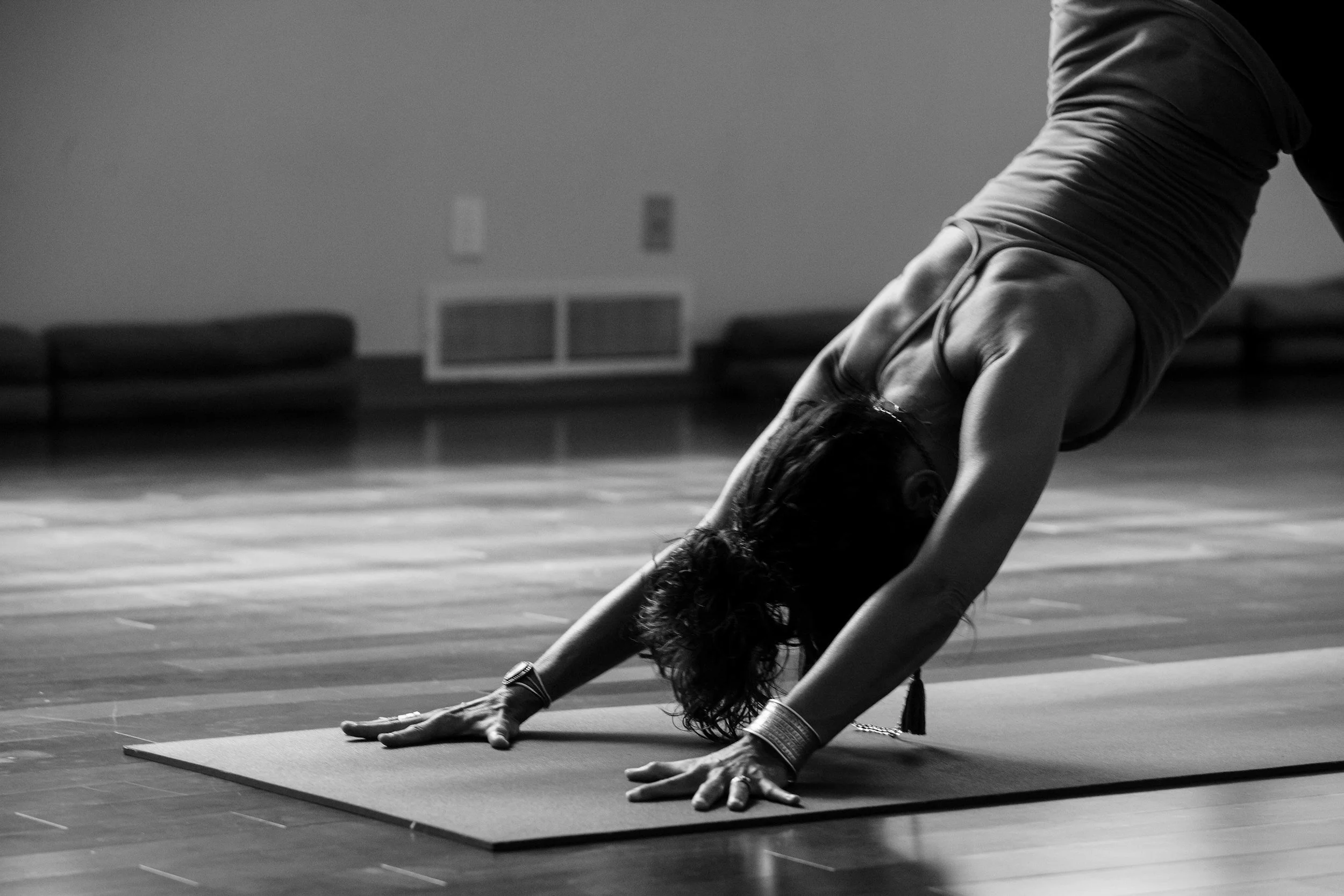
Over the years, I’ve had the opportunity to work with individuals at many different stages of life—some looking to improve performance, others simply wanting to move without pain, and many navigating the physical challenges that come with aging.
Recently, I took an important step to better serve those individuals by earning my Corrective Exercise Specialization (CES) through the National Academy of Sports Medicine (NASM). I’d like to take a moment to explain what that means—and more importantly, what it means for the people I work with.
Understanding Corrective Exercise
Corrective exercise is not about pushing harder or training longer—it’s about moving better.
At its core, corrective exercise focuses on identifying and addressing:
Muscle imbalances
Poor movement patterns
Joint dysfunction
Compensation habits that develop over time
These issues often show up as:
Chronic aches and pains
Limited mobility or flexibility
Poor posture
Increased risk of injury
Rather than treating symptoms alone, corrective exercise looks at the root cause of issues and works to restore proper alignment and movement.
Why This Matters
Many people assume that pain or stiffness is just “part of getting older.” In reality, much of what we experience physically is the result of how we move and how we’ve adapted over time.
Through NASM’s CES program, I’ve been trained to:
Assess movement patterns in a systematic way
Identify where the body is compensating
Develop targeted strategies to correct those imbalances
This allows for a more thoughtful and personalized approach—one that meets people where they are and helps them move forward safely.
A More Thoughtful Approach to Fitness
Not all exercise is beneficial for every person at every time. In fact, jumping into the wrong type of activity without addressing underlying issues can sometimes make things worse.
Corrective exercise follows a more intentional progression:
Inhibit overactive muscles
Lengthen tight areas
Activate underperforming muscles
Integrate proper movement patterns
This process helps retrain the body to move efficiently and reduces unnecessary strain.
Who Can Benefit
This specialization is especially helpful for:
Individuals recovering from injury
Adults experiencing joint pain or stiffness
Older adults seeking to maintain mobility and independence
Anyone who feels “tight,” “off,” or limited in their movement
Active individuals looking to prevent injury and improve performance
In many cases, small adjustments in movement can lead to significant improvements in comfort and confidence.
My Perspective
Earning this certification wasn’t about adding letters after my name, but more about gaining tools to better serve people.
I’ve always believed that good work, whether in health, advisory services, or life in general, comes down to walking alongside people with care, clarity, and intention. This specialization strengthens my ability to do just that…helping individuals move better, feel better, and maintain a higher quality of life.
Moving Forward
If you’ve been dealing with discomfort, limited mobility, or simply feel like your body isn’t moving the way it should, it may not be something you have to just live with.
Often, it’s simply a matter of understanding what’s happening and taking the right steps to address it.
If you’d like to learn more or have a conversation about your specific situation, I’d be glad to connect.